A crane rental company provides access to lifting equipment for construction, industrial, and commercial projects involving heavy materials, machinery, or specialized installations. Selecting appropriate equipment requires consideration of load weight, lifting height, site access, and the work being performed. From mobile crane operations to indoor lifting and specialized hydraulic systems, different equipment serves different project requirements.
Crane rentals can support a variety of tasks, including moving industrial machinery, installing rooftop HVAC units, and positioning electrical transformers. Each application presents different challenges based on the load's dimensions, the surrounding work area, and the intended placement. Understanding these factors helps project planners identify suitable equipment and coordinate the lifting process. Evaluating the scope of work before arranging services also helps clarify the equipment and personnel needed for the job.
Versatile Crane Options
Select Crane Rental Equipment
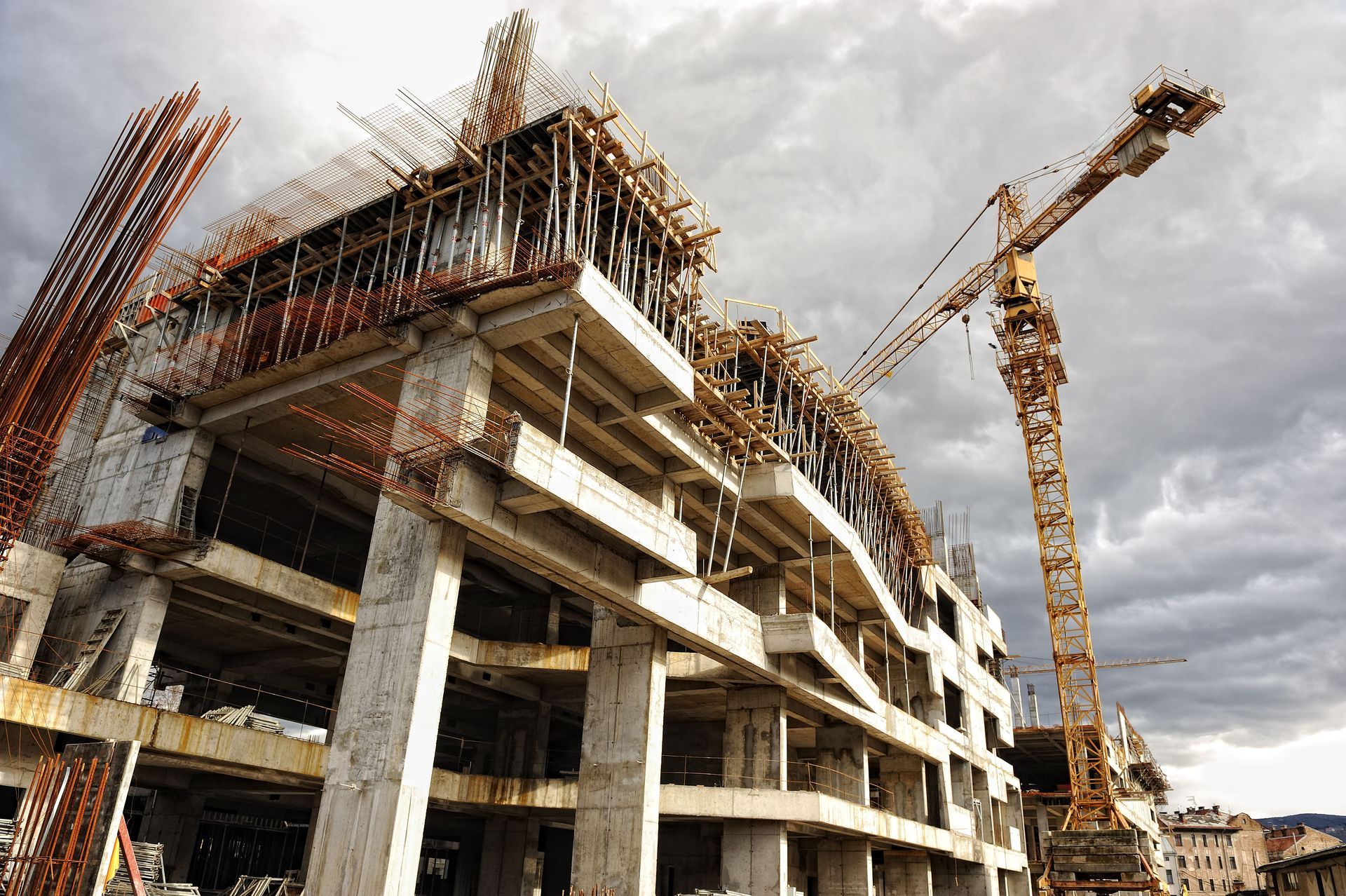
Mobile cranes support lifting work across construction and industrial settings. Tower cranes and specialized lifting equipment serve other project requirements, depending on the load and working conditions. A crane rental company can help identify suitable equipment based on the needs of the project.
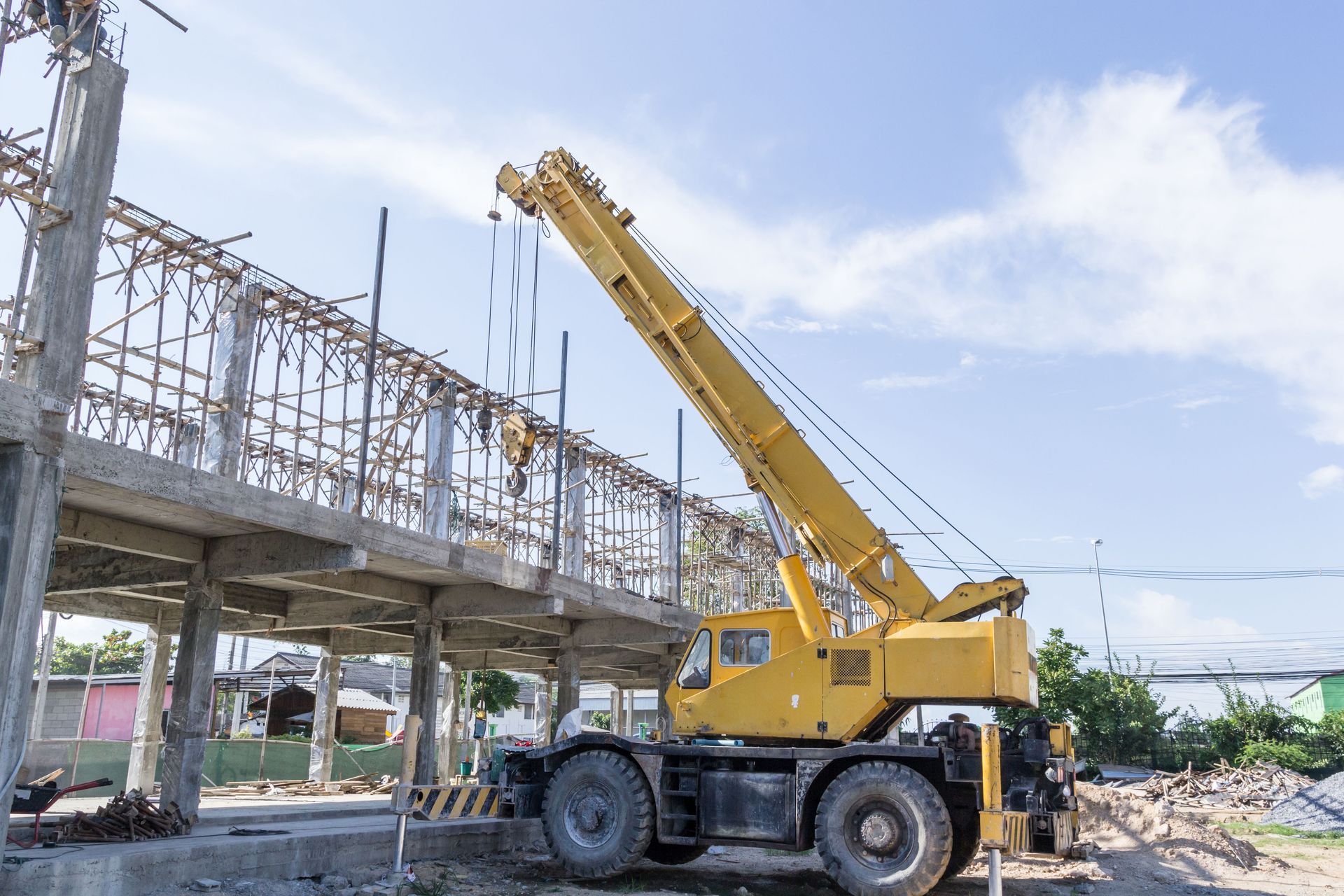
Mobile taxi crane services accommodate different lifting applications. According to the Heavy Equipment Colleges of America, a mobile crane allows for more flexibility on a job site, and they can typically lift between 10 and 60 tons. Evaluating the load, site conditions, and placement requirements helps determine which equipment is appropriate for the work.
Assess Lifting Capacity
Crane capacity is an important consideration when planning a lift. Load weight, lifting height, positioning, and site access all contribute to equipment selection. A crane rental company can assess these requirements when helping determine which lifting equipment may be appropriate.
Mobile hydraulic cranes with capacities ranging from 15 to 300 tons support various lifting applications. Specialized hydraulic equipment can also handle certain heavy-lifting requirements, including transformer installations. The appropriate equipment depends on the load and the conditions at the site.
Essential Lifting Safety
Review Site Safety
Available clearance, access routes, nearby structures, and surrounding machinery can affect equipment placement and load movement. Indoor industrial environments may present additional restrictions, including narrow aisles and limited overhead clearance. Reviewing these conditions helps establish the access and equipment requirements for each lift.
The lifting approach should reflect the load and worksite rather than assume the same equipment will suit every project. Identifying potential access limitations helps clarify how materials can be moved and positioned. These details are important when planning work around existing structures and machinery.
Coordinate Crane Operations
Machinery installation, equipment relocation, and material placement may require coordination between crane operators, rigging personnel, and other project participants. Planning around the load's starting point, destination, and placement requirements helps clarify the steps involved. A crane rental company can discuss the scope of the lift and the equipment required for the work.
Industrial Crane Rigging
Handle Heavy Machinery
Machinery relocation requires attention to equipment dimensions, weight, access, and final placement. The lifting approach must account for the route the equipment will follow and the conditions in the surrounding work area. These considerations help clarify how the machinery can be moved into position.
Crane and rigging services can support industrial equipment installation and movement. Discussing the machinery and project scope helps clarify the lifting resources needed. A crane rental company can consider the specific requirements when determining suitable equipment options.
Use Specialized Lifting Equipment
Some heavy loads require specialized hydraulic equipment. Transformer work, for example, may involve hydraulic lift gantry systems, hydraulic jacks, and hydraulic locking or sliding systems for lifting and positioning. These systems serve specialized lifting requirements that may differ from conventional crane operations.
The appropriate setup depends on the load, installation requirements, and site conditions. Reviewing these factors helps determine whether specialized lifting systems are suitable. The equipment must be selected according to the requirements of the planned work.
Flexible Indoor Lifting
Address Restricted Access
Indoor lifting requires attention to working space and equipment access. Doorway dimensions, overhead obstructions, and nearby machinery can affect how a load moves through a facility. Assessing the route helps identify potential restrictions before moving heavy equipment.
Indoor crane lifting and heavy-duty forklift operations, including Versa-Lift equipment, can support machinery handling in restricted work areas. Equipment selection depends on the load, available clearance, and intended placement. A crane rental company can discuss the work requirements to help identify suitable lifting options.
Position Equipment Precisely
Industrial installations may require heavy machinery to be moved through a facility and positioned in a designated area. Planning the route and accounting for access restrictions helps clarify the handling requirements. The final placement location is another important consideration when planning equipment movement.
Crane services, rigging, and heavy-duty forklift operations can support different stages of equipment movement, depending on the work area and load. Reviewing the site and machinery helps establish the resources needed for the task. The appropriate approach depends on the specific installation or relocation requirements.
Specialized HVAC and Transformer Lifting
Install Rooftop HVAC Equipment
Commercial HVAC projects may involve lifting equipment onto rooftops or removing existing units for replacement. Chillers and air-handling equipment may also require lifting during installation or relocation. The specific equipment and installation location influence the requirements for each lift.
The lifting approach should account for the unit's weight and dimensions, installation height, and available access around the building. These factors help establish the requirements for placing or removing HVAC components. Reviewing site conditions also helps clarify which lifting equipment may be appropriate.
Position Electrical Transformers
Transformer installations may involve unloading, lifting, and positioning heavy electrical equipment. Depending on the project, mobile hydraulic cranes or specialized hydraulic systems may be appropriate. Equipment selection depends on the load and installation conditions.
Hydraulic lift gantry systems, hydraulic jacks, and hydraulic locking or sliding systems are equipment options for specialized transformer lifting. The appropriate setup depends on the load and installation conditions. Reviewing the work area and placement requirements helps clarify the equipment needed.
Coordinated Project Planning
Plan Project Requirements
Before arranging crane services, identify the load, its destination, the required lifting height, and any site restrictions. For projects involving multiple lifts or work areas, outline the sequence of operations and the access needed for each task. These details help clarify the resources required for the planned work.
Discussing timing, site conditions, and lifting requirements helps establish the scope of work and the equipment needed. A crane rental company can review these details when discussing a project. The requirements of the lift should guide equipment selection and coordination.
Accommodate Different Project Scales
Crane and rigging requirements vary across construction, manufacturing, commercial facilities, and industrial operations. Projects may involve lifting construction materials, relocating factory machinery, installing rooftop HVAC equipment, or positioning electrical transformers. Each application has specific load and site requirements.
Available options include mobile cranes, tower cranes, indoor lifting equipment, heavy-duty forklifts, and specialized hydraulic systems. Matching the equipment to the load and worksite helps address the specific needs of each project. A crane rental company can discuss these needs when reviewing the scope of work.
Crane rental and rigging services help move and position heavy machinery, HVAC equipment, and electrical transformers for construction and industrial projects. Choosing suitable equipment involves considering load capacity, site access, and installation needs. Learn more about crane rental, indoor lifting, and specialized rigging services throughout East Tennessee, North Georgia, and Northeast Alabama by contacting B & B Crane and Rigging