February 23, 2026
In the realm of construction and heavy lifting, crane rentals play a crucial role in the successful execution of various projects. Whether for short-term use or longer projects, understanding the intricacies of local crane rental services can save time, money, and enhance safety. This article will delve into the numerous facets of crane rentals, offering detailed insights into the types of available equipment, cost considerations, safety protocols, and more. By covering these aspects comprehensively, we aim to equip readers with the knowledge needed for making informed decisions when hiring crane services. By understanding both practical and logistical details, project managers can optimize their operations and mitigate potential risks associated with crane use.
1. Understanding the Types of Cranes Available
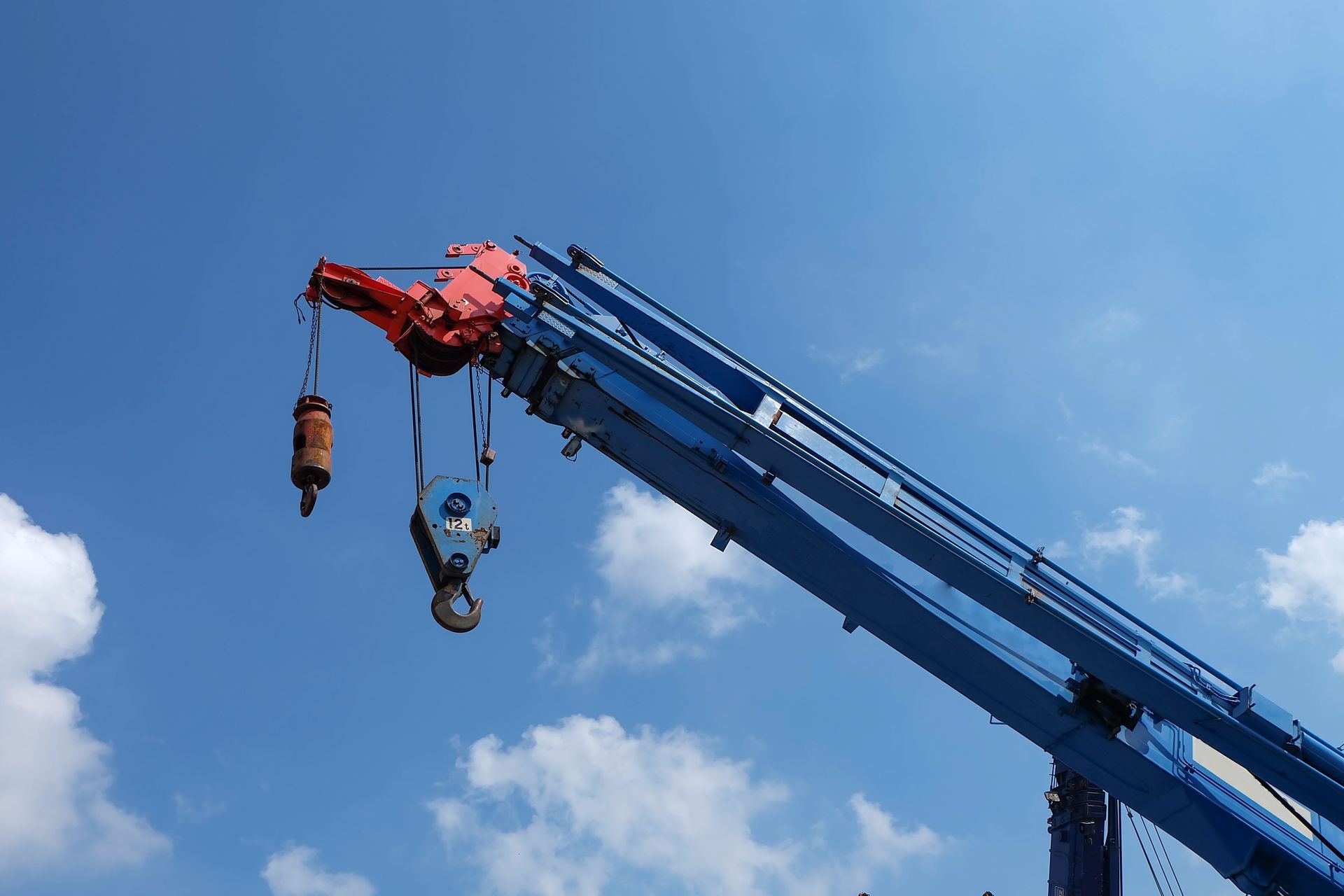
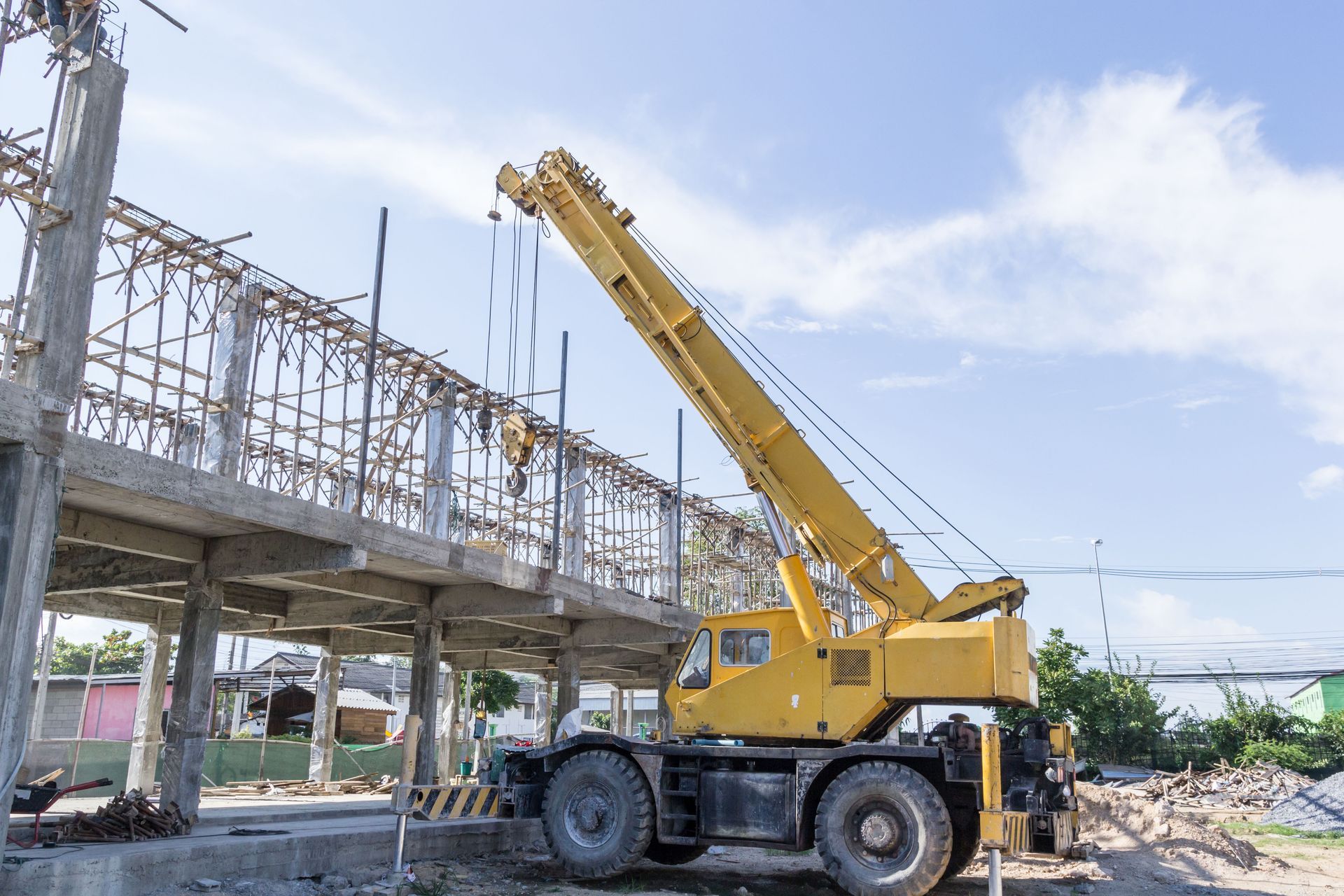
Mobile cranes are a favored choice in construction due to their versatility and flexibility. According to the Heavy Equipment Colleges of America, mobile cranes offer a significant advantage as they can typically lift between 10 and 60 tons, which suits a variety of job site demands. They are mounted on wheels or tracks, making them easy to transport and deploy across different locations quickly. This mobility is especially beneficial in urban settings where project sites might be congested, and accessibility is critical. Many contractors rely on local crane rental providers to supply mobile cranes quickly, ensuring projects stay on schedule. The quick assembly and dismantling of mobile cranes reduces setup times, translating to increased efficiency on-site.
Tower cranes are indispensable for high-rise construction projects, offering exceptional height and lifting capabilities. These cranes comprise a mast, jib, and counterweights, designed to remain stationary throughout a project. Despite being fixed, they can rotate 360 degrees, enabling operators to lift loads and move them across vast horizontal distances efficiently. The crane's ability to reach significant heights makes it ideal for constructing skyscrapers and other tall structures. However, the setup and dismantling of tower cranes are time-consuming and require meticulous planning due to their size and intricacy. Choosing the right local crane rental company ensures proper installation and compliance with safety standards for these complex machines.
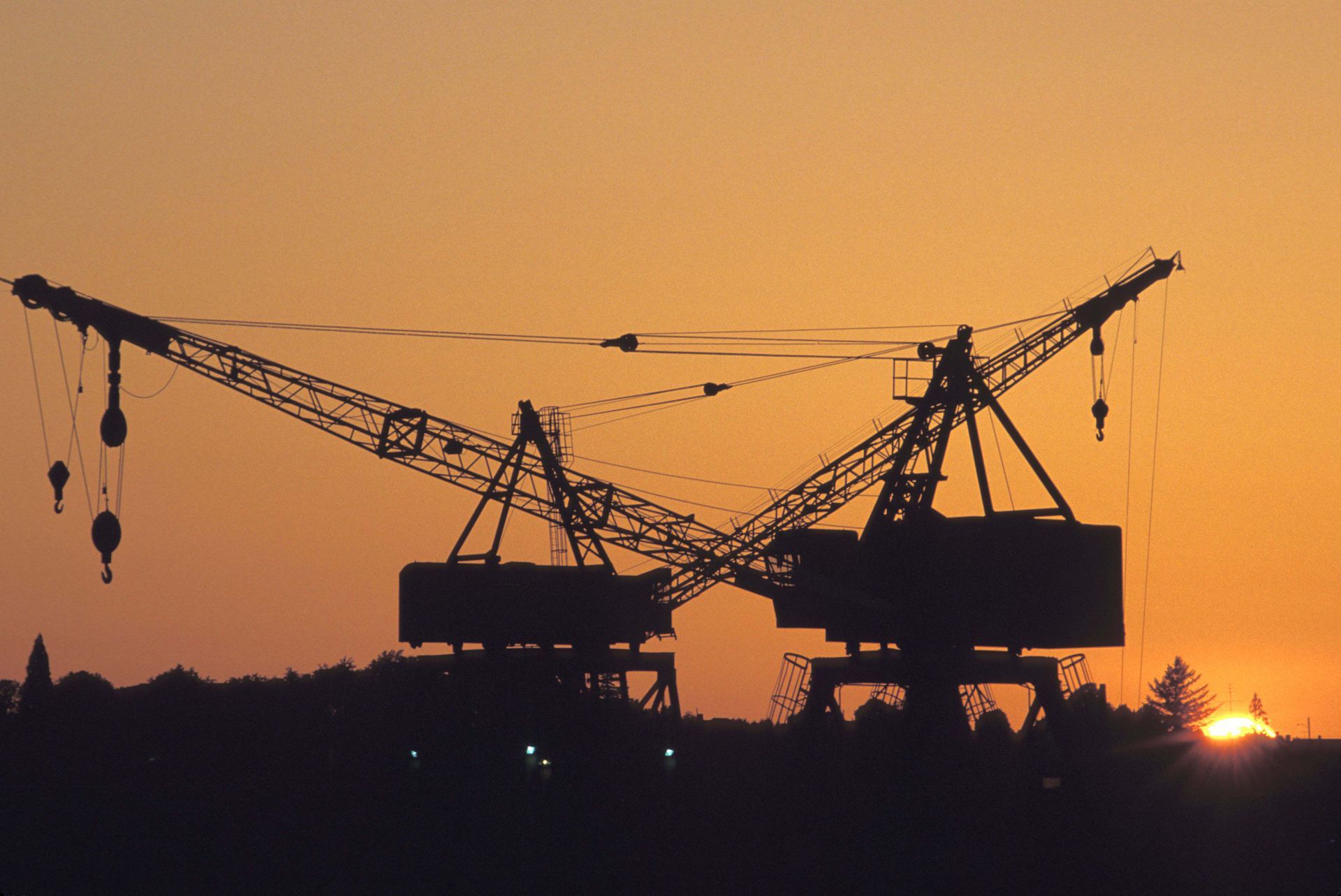
Crawler cranes come equipped with tracks instead of wheels, offering unmatched stability on uneven or soft ground. This feature makes them suitable for long-term projects, particularly in geologically challenging areas. Although they are slower to move, crawler cranes can transport a heavy load without the need for outriggers, which adds to their operational stability. Their ability to work with substantial lifting capacities makes them ideal for massive infrastructure projects like bridges and dams. However, their large size and weight mean logistical challenges when transporting them from one site to another, which is why partnering with an experienced local crane rental provider is essential for smooth coordination.
2. Evaluating Rental Company Credentials
When selecting a crane rental company, one of the primary considerations should be their licensing and certifications. These credentials assure clients of the company's compliance with industry standards and regulations. A valid license not only verifies the company's legitimacy but also indicates its commitment to maintaining high operational standards. Certifications, particularly those from recognized industry bodies, reflect a company's adherence to safety protocols and quality management. Before finalizing any rental agreements, it is crucial to verify these documents to avoid unforeseen legal and safety complications when arranging a local crane rental.
Another critical aspect of evaluating a crane rental company is their insurance coverage. Adequate insurance protects both the rental company and the client from potential liabilities that may arise during crane operations. This includes coverage for equipment damage, site accidents, and third-party injuries, ensuring comprehensive risk management. Clients should verify the provisions of the insurance policy to ascertain its adequacy for project-specific risks. Lack of sufficient coverage poses significant financial risks and can result in costly disputes in case of incidents.
Customer reviews and testimonials are invaluable when assessing a crane rental company's reliability and service quality. These insights offer firsthand accounts of previous clients' experiences, capturing both the strengths and weaknesses of the service. Positive reviews indicate consistency in delivering satisfactory service, while negative feedback can highlight areas of concern, such as hidden fees, delayed delivery, or inadequate support. Engaging with customer testimonials can guide potential clients in making informed decisions, ensuring they choose a local crane rental partner that aligns with their project needs and expectations.
3. Costs Associated with Crane Rentals
The base rental fee is typically the largest component of the total rental cost and varies according to the type and size of the crane. Clients should consider the duration of the rental and whether the crane's capacity aligns with their project demands. Higher capacities generally entail higher fees, but selecting the appropriate crane size is crucial for cost-effectiveness. Base rental fees may also account for factors such as the crane's age, technological features, and rental availability. Understanding the components of these fees helps clients allocate their project budgets accurately when securing a local crane rental.
In addition to the base rental fee, clients should be aware of potential additional charges. These might include delivery and pickup costs, assembly and dismantling fees, or overtime charges for extended use. Depending on the rental agreement, clients may also be responsible for securing permits, site inspections, or operator costs, which can add to the overall expenses. It is vital to clarify all associated charges upfront to avoid unexpected financial burdens upon project completion. Transparent pricing discussions with the rental provider can minimize ambiguities and foster trust.
4. Safety Protocols and Measures
Ensuring operators possess appropriate training and certification is crucial for safe crane operation. Certified operators have undergone rigorous education and testing to understand crane mechanics and safety protocols. This expertise minimizes the likelihood of human error, reducing risks of accidents or equipment damage during operations. Clients should verify the credentials of operators provided by rental companies to ensure regulatory compliance and workplace safety. Partnering with a reputable provider that invests in workforce competence guarantees safer project outcomes.
Conducting a thorough assessment of the construction site is essential before crane deployment. This evaluation includes analyzing terrain stability, load-bearing capacities, and potential obstructions like power lines or overhead structures. Site suitability assessments contribute to the strategic planning of crane placement and operations, ensuring seamless execution of tasks. Failure to conduct these assessments can lead to safety hazards, operational inefficiencies, and potential delays. Incorporating site assessments into project planning is a proactive approach to managing risks and enhancing safety.
Weather and environmental conditions significantly influence crane operations, necessitating careful monitoring and contingency planning. Rain, wind, or extreme temperatures can affect crane stability and load handling, posing risks to equipment and personnel. Rentals should include provisions for weather-related delays or halts to operations to ensure safety and compliance with regulations. By keeping informed of forecasted weather conditions, project managers can coordinate work schedules and take preventive measures. Adaptability to changing environmental conditions is vital for maintaining operational safety and efficiency.
5. Understanding Contract Terms and Conditions
Service level agreements (SLAs) outline the expected quality and scope of services provided by crane rentals. These contractual elements establish clear benchmarks for performance metrics, response times, and service delivery standards. Clients should meticulously review SLAs to ensure alignment with project requirements and expectations. Precision in defining service levels facilitates accountability and enhances operational efficiency. In-depth discussion and negotiation of SLAs enable transparent client-provider relationships and prevent potential disputes during project execution.
Liability and damages clauses in crane rental contracts define responsibilities and financial obligations in the event of accidents or equipment damage. These clauses allocate risk between rental companies and clients, clarifying compensation terms for damages or losses. Negotiating favorable liability terms ensures balanced protection, covering potential liabilities without imposing undue burdens on either party. Clients should understand these provisions thoroughly and consult legal professionals if needed to evaluate their implications. Comprehensive risk management through effective liability clauses fosters confidence in contractual partnerships.
The successful use of crane rentals requires a comprehensive understanding of the equipment, careful evaluation of service providers, a keen eye on cost management, and rigorous adherence to safety and operational protocols. By paying close attention to these aspects, project managers can ensure smooth operations and minimize risks associated with crane usage. Through diligent planning and informed decision-making, coordinating a local crane rental becomes a strategic advantage in the construction process. Embracing best practices in crane procurement and deployment fosters project efficacy and contributes to achieving construction goals efficiently and safely. For more information about the services that we offer, reach out to our incredible team at & B Crane and Rigging today!